
What is Occupational Therapy for Children?
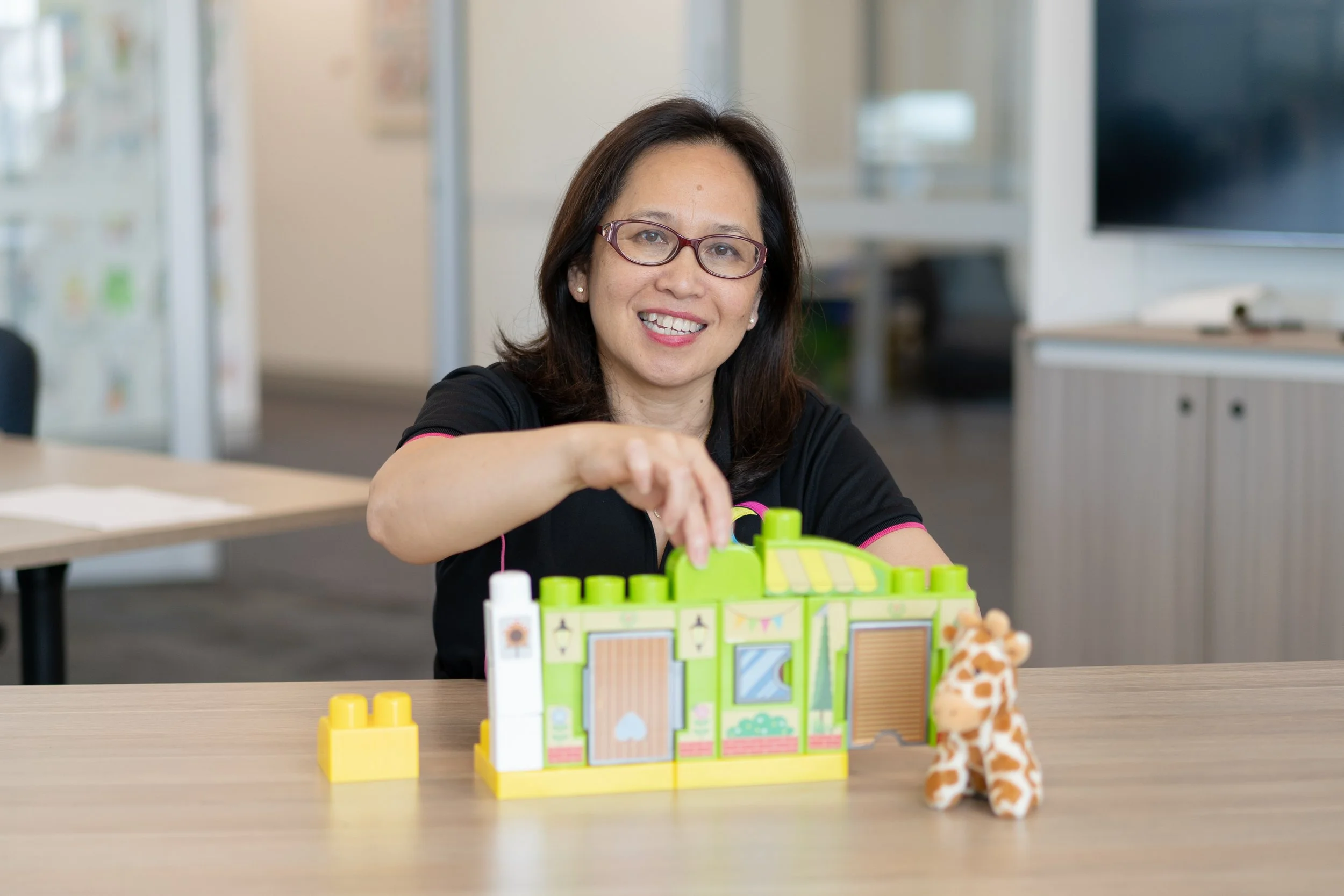
Helping Children Build Functional Capacity for Everyday Life
Occupational Therapy (OT) helps children build their functional capacity—their ability to participate confidently in everyday life.
This includes activities such as:
Getting dressed
Eating meals
Playing
Learning at school
Interacting with others
When a child finds these everyday tasks challenging, an Occupational Therapist works with them to develop the skills needed to function more independently and successfully in daily life.
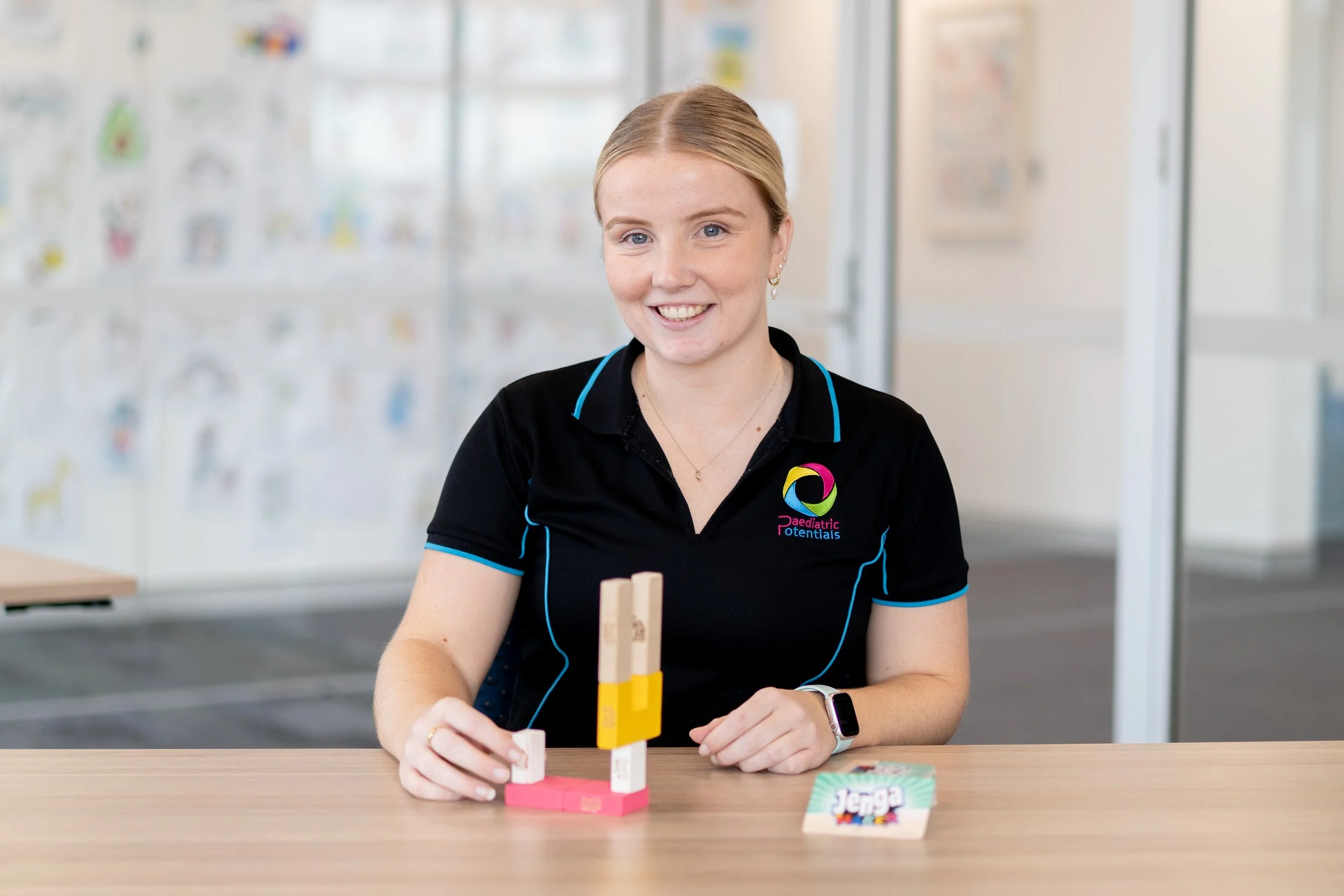
What Do We Mean by “Functional Capacity”?
Functional capacity refers to your child’s ability to:
Manage daily routines
Participate at home, school, and in the community
Build independence over time
Rather than focusing only on a diagnosis, Occupational Therapy focuses on:
What your child needs to be able to do—and how we can support them to do it.
What Does a Paediatric Occupational Therapist Do?
A paediatric Occupational Therapist assesses how your child is functioning across real-life environments.
We look at:
What your child can do today
What they find challenging
What skills need to be developed to improve independence
From there, we develop a structured, personalised approach to support meaningful progress.
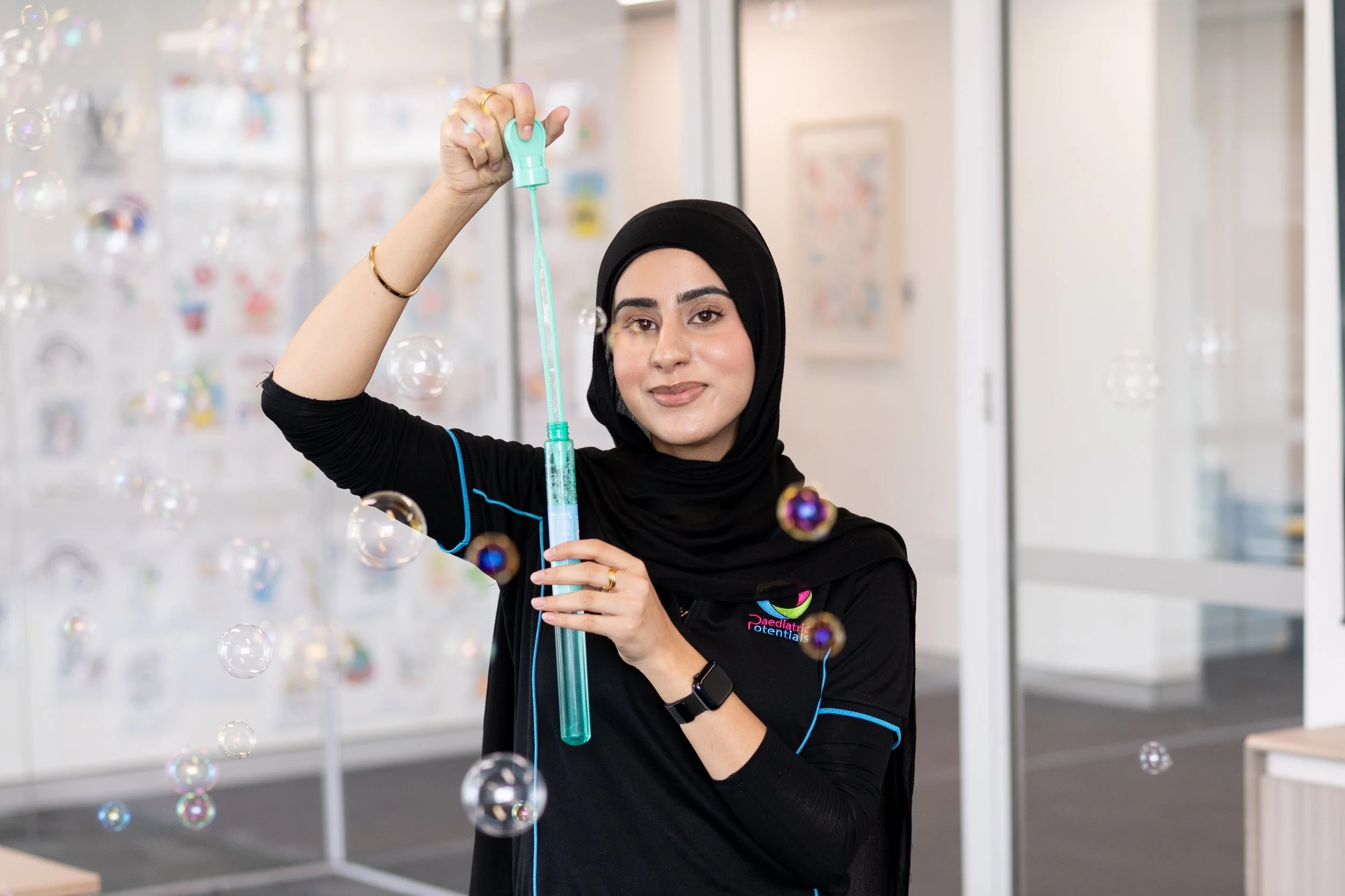
How We Develop a Therapy Plan
Following assessment, we develop a tailored therapy plan focused on improving your child’s functional capacity in everyday environments.
We use:
Standardised assessment tools to provide objective insight into your child’s current level of functioning
Structured goal-setting frameworks, helping families—particularly those with children with disabilities or autism—identify, prioritise, and clearly communicate meaningful goals
Collaborative planning with key stakeholders, including educators, medical professionals, and other allied health providers
This ensures therapy is:
Evidence-based
Goal-directed
Consistent across home, school, and community settings
Supporting your child to make meaningful, real-world progress over time.
What Skills Does Occupational Therapy Help Develop?
Occupational Therapy supports functional capacity development across key areas:
-
Playing with others
Building relationships
Participating in group settings
-
Fine motor (handwriting, dressing, using tools)
Gross motor (balance, coordination, strength)
-
Helping children respond appropriately to:
Movement
Touch
Sounds
Visual input
-
Managing emotions
Staying calm and focused
Building resilience
-
Following instructions
Staying engaged in tasks
Organising schoolwork
-
Dressing
Toileting
Eating
Daily routines
How Does Occupational Therapy Improve Functional Capacity?
Therapy is designed to build skills that transfer into everyday life.
At Paediatric Potentials OT, sessions may include:
Play-based therapy
Real-life task practice (e.g. cooking, school tasks)
Sensory-based strategies
Structured skill development
A Parent Coaching Approach
We work closely with parents and caregivers to:
Provide practical strategies
Support carryover into daily routines
Build confidence in supporting your child
This ensures your child’s functional capacity improves not just in sessions—but in real life.
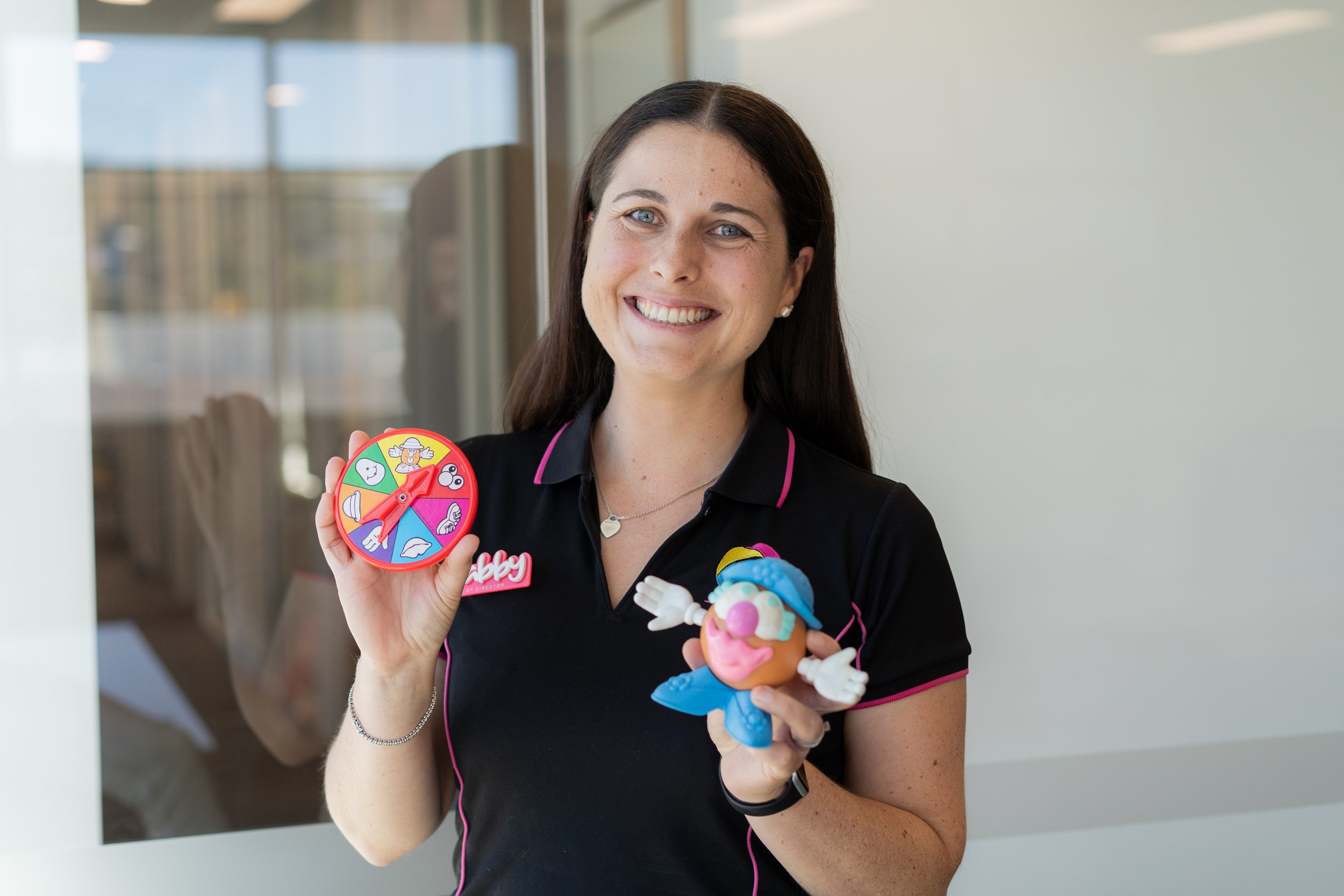
How Do I Know if My Child May Benefit from OT?
Your child may benefit from Occupational Therapy if they experience challenges with:
Independence in daily tasks
Coordination or motor skills
Sensory sensitivities
Emotional regulation
Attention and learning
Social interaction
School readiness
These are all areas related to functional capacity.
What Conditions Can OT Support?
Occupational Therapy supports children with a wide range of developmental needs, including:
Autism Spectrum Disorder
ADHD
Developmental delay
Dyspraxia / DCD
Dysgraphia
Cerebral palsy
Genetic conditions
Physical impairments
We also support children without a formal diagnosis who are experiencing functional challenges.
What Happens at an OT Assessment?
An initial assessment helps us understand your child’s needs and develop a clear plan.
This may include:
Observing your child during play and structured tasks
Discussing your concerns and goals
Using standardised assessment tools (where appropriate)
Following the assessment, we provide:
A summary of findings
Clear therapy goals
Recommendations for next steps
NDIS and Functional Capacity
The NDIS is increasingly focused on functional capacity, rather than diagnosis when determining:
Eligibility
Funding levels
Ongoing support needs
At Paediatric Potentials OT:
We assess and support functional capacity
We provide reports aligned with NDIS requirements
We are a registered NDIS provider
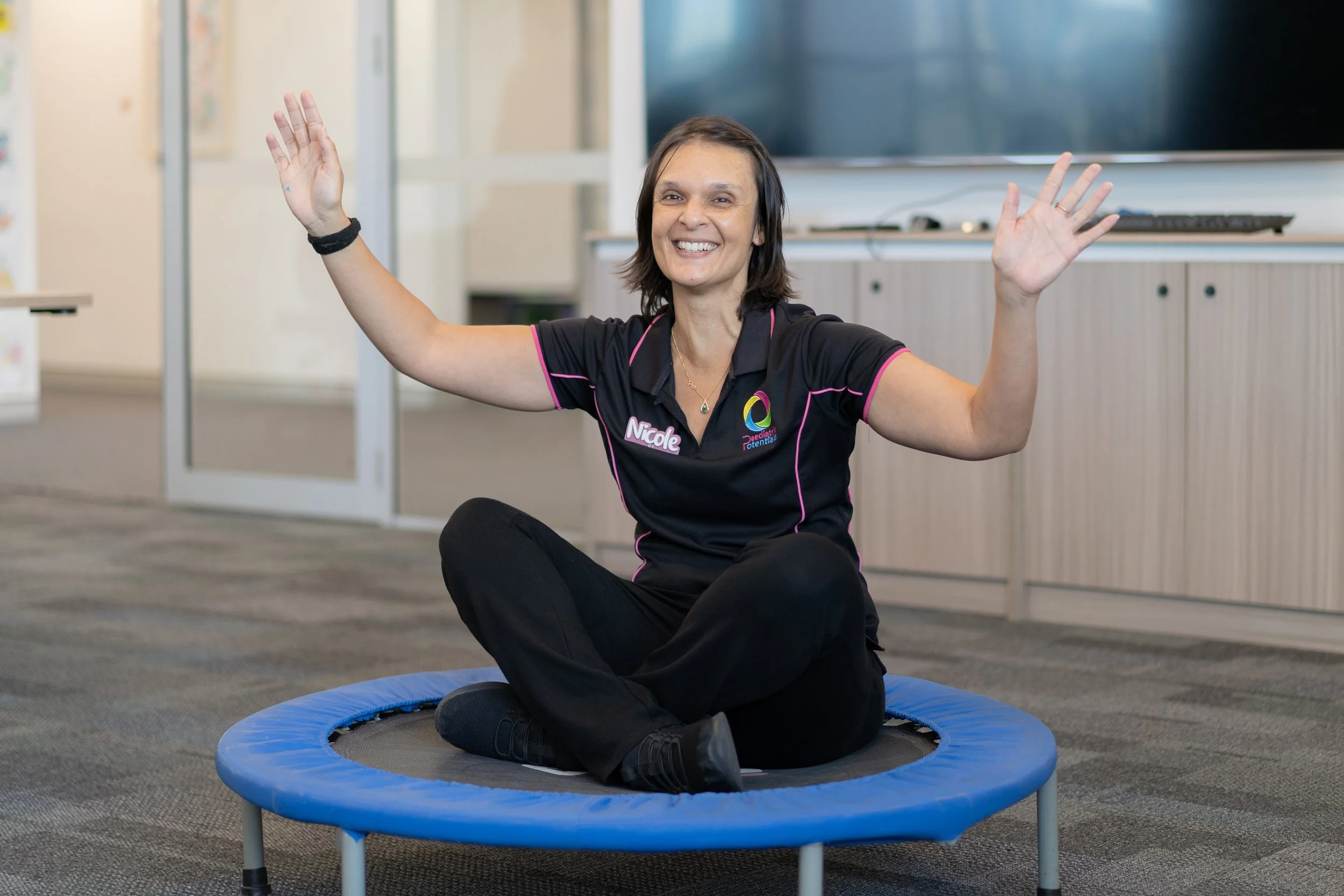
Why Choose Paediatric Potentials OT?
Team of 20+ Occupational Therapists
750sqm purpose-built clinic in Upper Mount Gravatt
Strong focus on real-life outcomes
Parent coaching approach
Registered NDIS provider
Signs Your Child May Benefit from Occupational Therapy
Is Your Child Finding Everyday Tasks Challenging?
Every child develops at their own pace—but some challenges may indicate your child could benefit from additional support.
Common Signs to Look Out For

Fine Motor Skills
Building skills for handwriting, dressing, and everyday tasks requiring hand control.

Coordination & Movement
Improving balance, strength, and coordination for confident movement and play.

Sensory Processing
Helping your child better understand and respond to sensory input in daily life.

Emotional Regulation
Supporting your child to manage emotions and feel calm, focused, and in control.

Attention & Focus
Developing the ability to stay engaged, follow instructions, and complete tasks.

Social Skills
Building confidence to interact, play, and connect with others.

Daily Living Skills
Supporting independence with tasks like dressing, eating, and personal care.

School Readiness
Preparing your child with the skills needed to succeed in the classroom.
Get Started
If you’re unsure about your child’s development, we can help you understand their current functional capacity and what support may be beneficial. Give one of our friendly team a call and start the conversation today.